
Woman Pleads Guilty After Genealogy Breakthrough in 1988 Case
By Alex Morgan. Sep 20, 2026
A Case Without a Name Reaches a Guilty Plea
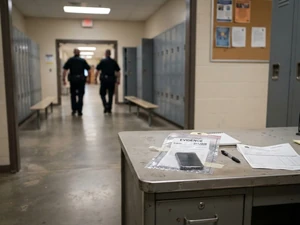
Nearly 38 years after a newborn boy was found dead among hospital linens at Sheppard Air Force Base in Texas, Tammy Sue Kerns has pleaded guilty to second-degree murder. The Sept. 9 plea gave the case a legal resolution that investigators could not have reached with the forensic tools available in 1988.
Kerns, 58, had been an Air Force member assigned to the base hospital at the time. According to the Justice Department, she admitted giving birth during a night shift and causing the newborn’s death before placing him with hospital linens.
The case remained unsolved for decades because investigators did not know who the child’s mother was. Without that identity, they had no obvious person to question and no direct family line to follow.
The Cold Case Team Reopened the Investigation
The Air Force Office of Special Investigations reopened the case in 2015. Investigators preserved the original evidence while advances in DNA testing and forensic genealogy created new ways to identify biological relatives.
Authorities eventually obtained genetic information from the infant and used advanced sequencing to build profiles that could be compared through genealogical research. Investigators first identified a possible father and then began narrowing the list of women who could have been the mother.
Military personnel records became an important second layer of the investigation. By reviewing who had been stationed at relevant bases during the likely conception and birth period, investigators were able to focus on a smaller group of women.
The combination of DNA and old personnel records ultimately led them to Kerns.
DNA Confirmed the Biological Relationship
Investigators obtained a DNA sample from Kerns, and authorities said the result confirmed that she was the child’s mother. She was charged by information on Sept. 1 and pleaded guilty eight days later.
A guilty plea is different from an arrest or accusation. By entering the plea, Kerns accepted criminal responsibility for second-degree murder rather than requiring prosecutors to prove the charge to a jury.
She is scheduled to be sentenced in January 2027. The final sentence will be imposed by the court.
Genealogy Did Not Work Alone
The case is a clear example of how forensic genealogy can reopen a mystery, but the DNA work was only part of the process. Investigators still had to interpret family relationships, review decades-old military records and obtain a direct comparison sample.
Each piece narrowed the uncertainty until the biological relationship could be confirmed. Only then could the investigation move from identifying a parent to establishing a criminal case.
The newborn had remained unidentified for almost four decades, with investigators unable to say who his mother was or how to bring the case into court. In 2026, old records and new science converged, leading not just to an investigative theory but to a guilty plea.
References: U.S. Department of Justice - Defendant pleads guilty after forensic genealogy exposes 1988 murder of newborn | Air Force Office of Special Investigations - Cold Case Team uses DNA advances to resolve 1988 infant death investigation

The Truth In Facts team was assisted by generative AI technology in creating this content
Trending